How to Choose the Right Flange Heating System?
Choosing the right Flange Heating system is a process-safety and temperature-control decision, not simply a matter of selecting the highest wattage. A flange may look small, yet its bolts, gasket, insulation, and surrounding pipe absorb heat differently. Uneven heating can leave cold spots or create unnecessary thermal stress. Small details matter.
The U.S. Department of Energy’s Industrial Decarbonization Roadmap (2022) identifies energy-intensive industries as a major opportunity for improving process efficiency. The International Energy Agency’s The Future of Heat Pumps (2022) also highlights efficient heat delivery as part of industrial decarbonization. These reports do not compare flange heaters directly, but they make one point clear: heat needs to be delivered and controlled carefully. IEA Executive Director Fatih Birol has called heat pumps “a key technology” for efficient heating; that broader insight supports evaluating system efficiency, though it is not a flange-heater specification.
In practice, selection starts with the flange’s dimensions, target temperature, heating time, and operating environment. Consider flexible silicone pads for accessible surfaces, or purpose-built jackets when insulation and repeatable coverage matter. Check sensor placement, controller accuracy, power supply, and the manufacturer’s stated limits. A heater that fits poorly can leave the bolt line warm while the outer flange stays cool. That happens.
As a practical design prompt, ask: “Can this system heat the full flange evenly, and prove it with measured temperatures?” Record the answer, then verify it during commissioning. No single heater suits every flange. This guide will help compare options, identify trade-offs, and choose a system that fits the actual job—not just the catalogue photo.
Define the Flange Heating System and Its Operating Principles
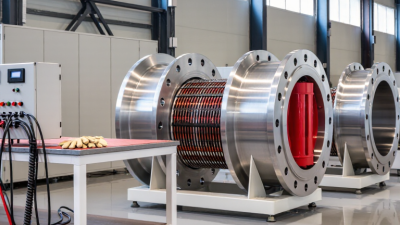
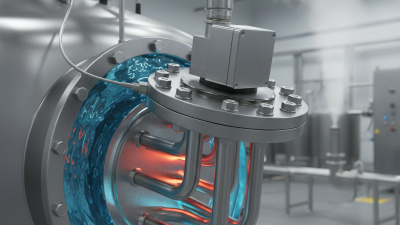
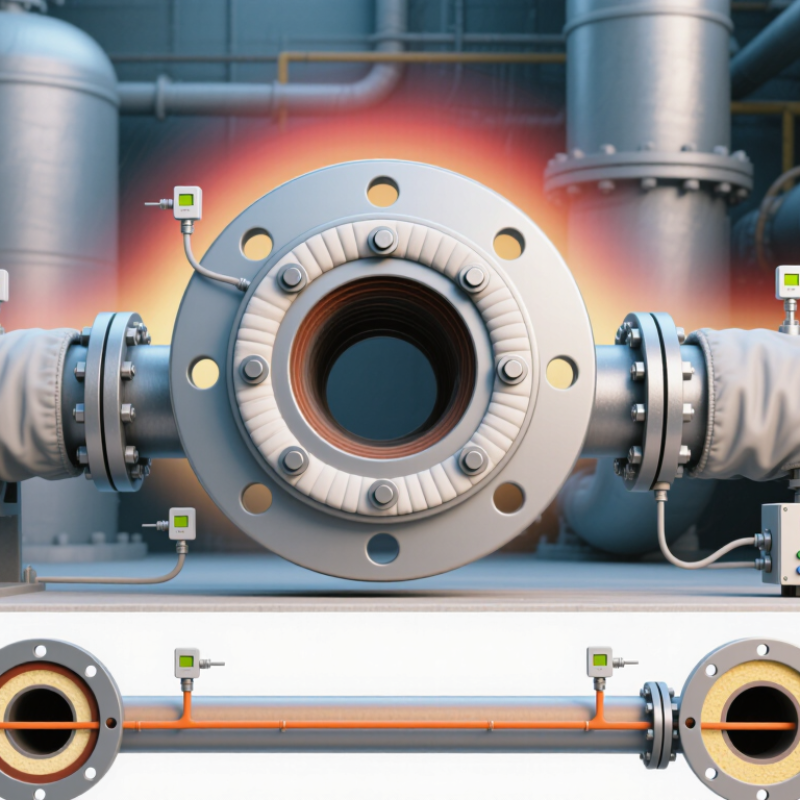
A flange heating system is equipment designed to warm a pipe flange and its connected joint in a controlled way. It may use electric resistance elements in a flexible heating jacket or induction coils that create heat within conductive metal. The method depends on the flange’s material, dimensions, access, and required temperature. Not every flange needs the same approach.
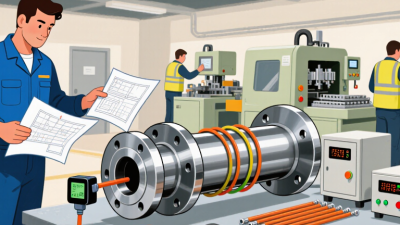
With resistance heating, electrical current passes through elements, producing heat that travels through the jacket and into the flange by contact and conduction. Induction systems use an alternating magnetic field to generate heat in the metal itself. In either case, a temperature sensor and controller help regulate output. The aim is steady, even warming—not a hot spot beside one bolt. A technician might check sensor placement and compare readings at several points. Small gaps matter.
Heating can help expand a flange temporarily, support controlled assembly, or maintain process temperature, depending on the application. The operating temperature and heating rate should come from the equipment specification and an engineering assessment. Rapid or uneven heating can create thermal stress, damage seals, or distort components. In practice, insulation and good contact improve consistency, but they do not replace monitoring. A setup that looks simple can still heat unevenly; that deserves a second check.
How to Choose the Right Flange Heating System?
Flange Heating System: Operating Principle
Heating a flange causes its metal to expand, which can help create clearance during assembly or disassembly. This chart shows the theoretical increase in diameter for a 300 mm steel flange, calculated using a typical steel thermal expansion coefficient of 12 × 10⁻⁶ per °C. Actual expansion depends on the material, flange geometry, temperature uniformity, and surrounding constraints.
Assess Process Conditions and Flange Requirements
Before selecting a flange heating system, define the actual process conditions. Record the operating temperature, warm-up time, ambient exposure, insulation thickness, and heat loss through nearby pipework. Check flange size, material, pressure rating, gasket type, and bolt access. The flange must reach the required temperature evenly; a hot outer rim can hide a cool joint face. ASME B16.5 provides flange dimensions and pressure-temperature ratings, but it does not determine heater output. That still requires a heat-loss calculation.
The U.S. Department of Energy’s Improving Process Heating System Performance sourcebook estimates that process heating accounts for about two-thirds of energy use in U.S. manufacturing. This is broad industry context, not a flange-specific figure, but it shows why poor heat control can matter. In practice, small details count. A gap in insulation or a sensor placed away from the flange can distort readings. We sometimes focus too much on rated wattage; site conditions can change the result.
Tips: Map the flange and surrounding pipe, then identify cold spots before choosing heater coverage. Confirm temperature limits for the gasket, cables, and insulation. If the process cycles often, check ramp rate and thermal expansion, not just steady-state temperature. Leave room for inspection and bolt access. A neat installation is not always an effective one.
Compare Heating Methods for the Application
Choosing a flange heating method starts with the joint, not the heater. Compare how each option transfers heat, responds to adjustment, and warms the flange.
Resistance heating uses flexible elements or mats around the flange, making it practical for controlled, localized work. It can suit planned maintenance, but poor contact may create uneven temperatures. Small details matter.
Induction heating warms conductive metal directly and can be quick without wrapping the flange in a blanket. It may help when access is limited or turnaround time is tight, though coil placement and flange geometry affect results. Operators need suitable equipment and temperature monitoring. Fast heating is not automatically uniform heating.
Hot-air systems are less direct and often slower, but can work for gentle preheating or assemblies where contact heaters are awkward. It depends.
Before selecting a system, check flange dimensions, material, target temperature, insulation, nearby seals, and required heating rate. Use temperature sensors at multiple points when uniformity matters, and follow equipment instructions and site procedures. I have seen schedules drive the choice more than actual temperature needs; that deserves a second look. A short trial on a representative flange can reveal cold spots before the full job.
Select System Capacity, Materials, and Controls
Choosing capacity starts with the flange’s thermal load, not a catalog guess. Estimate its mass, target temperature, warm-up time, and heat loss to surrounding air. A large steel flange in a cold, exposed area may need more output than a small insulated assembly. Check the available voltage and circuit capacity before selecting a heater. Allow for heat loss, but avoid excessive oversizing, which can make temperature control less stable. Small details matter.
Match heater materials to the flange surface, operating temperature, and environment. Consider moisture, corrosion, and how the heater attaches; poor contact can slow heat transfer and create uneven temperatures. Confirm that insulation and protective coverings are suitable for the intended service. If flange dimensions or surface conditions are uncertain, verify them on site rather than relying only on drawings.
Choose controls that suit the required accuracy and operating routine. A well-positioned temperature sensor should measure the flange or the specified process point, not merely the heater surface. Over-temperature protection adds a useful safeguard, while adjustable settings help accommodate changing conditions. Treat the first controlled heat-up as a check: compare sensor readings with an independent measurement and adjust the setup if temperatures vary across the flange. One estimate may need revisiting.
Verify Installation, Safety, and Maintenance Needs
How to Choose the Right Flange Heating System?
Verify Installation, Safety, and Maintenance Needs
A suitable flange heating system must fit the equipment and the worksite. Check the flange dimensions, temperature range, and available power before comparing designs. Confirm that the heater can be installed without blocking nearby valves, insulation, or access points. In practice, a small clearance issue can become a routine headache. Good fit matters.
Ask how the system controls temperature and responds to overheating. Review the installation instructions, required protective equipment, and inspection steps with a qualified technician. Check cables and connectors for heat exposure, moisture, and physical damage. Never assume a familiar-looking setup is safe; verify the actual conditions on site.
Tips: Measure the flange and surrounding clearance before ordering. Photograph the installation area, and note the power source and operating conditions. Keep records. During routine maintenance, inspect the heater, connections, and temperature controls for wear or loose fittings. Follow the manufacturer’s documented service intervals, and remove equipment from use if damage appears. Maintenance plans can be imperfect at first, so review them after the system has completed a real heating cycle.